
The Canadian Transportation Agency (CTA) recently imposed a substantial fine of $426,000 on Air Canada. This decision follows a flight attendant strike during the summer of 2025, which caused significant disruptions for many travellers. This case highlights the responsibilities of airlines in labour disputes.
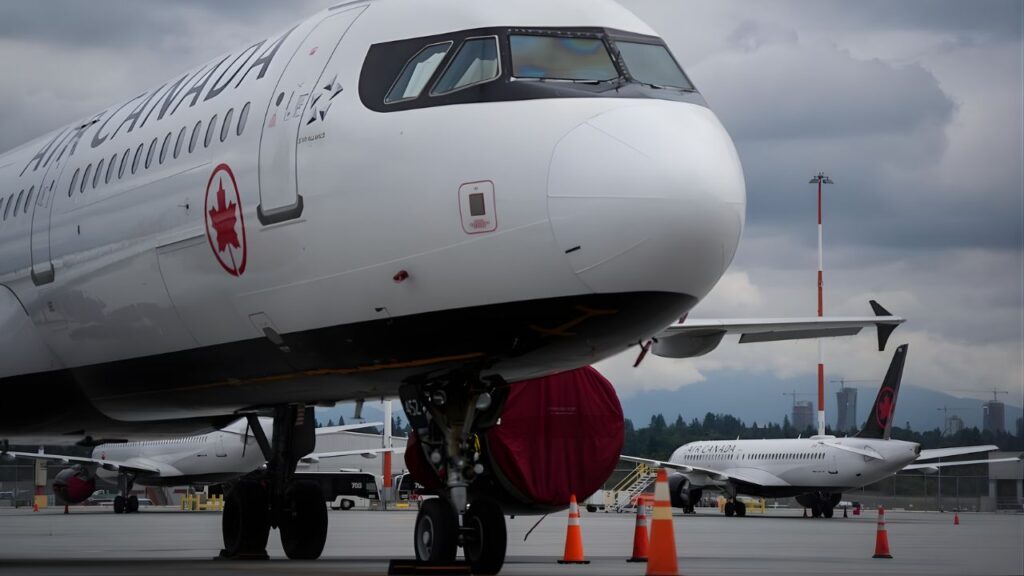
The CTA’s decision underscores the crucial role of the Air Passenger Protection Regulations (APPR) . During this period, thousands of passengers were left without clear information. This sanction serves as a reminder of the fundamental rights of travellers and the obligations of carriers.
The facts that led to the sanction
Between August 15 and 20, 2025, Air Canada cancelled a large number of flights due to a flight attendant strike. Although these cancellations were deemed beyond the carrier’s control, the Canadian Transportation Agency (CTA) identified several violations of the Air Canada Flight Attendant Regulations (AFPR).
The investigation focused on a specific group of affected passengers and revealed 71 violations of section 18(1.1) of the regulations. The airline did not offer passengers a choice between a refund or a free rebooking on the next available flight.
The role of the RPPA in the protection of travellers
The RPPA imposes strict obligations on airlines. In the event of cancellations beyond their control, they must quickly offer suitable solutions to minimize the inconvenience experienced by passengers.
- 71 confirmed violations for failure to reimburse or reroute
- Period concerned: from August 15 to 20, 2026
- Fine amount: $426,000
Air Canada’s reaction
Air Canada strongly contests this decision. According to its Vice President of Communications, Christophe Hennebelle, the penalty is legally unjustified.
The company claims to have rerouted nearly 200,000 passengers despite the constraints of the peak season and limited flight availability. It also highlights the use of advanced technologies to manage the situation.
Voluntary measures put in place
In addition to its legal obligations, Air Canada says it has spent about $90 million to help passengers, including covering the costs of rebooking, accommodation and meals.
The company has filed a request for review with the Transportation Appeal Tribunal of Canada, arguing that the imposed requirements are unrealistic in the context of an unpredictable crisis.
Reactions from unions and consumers
The Canadian Union of Public Employees (CUPE) considers the fine justified. Its representative, Wesley Lesosky, criticizes management’s handling of the conflict, which he says left passengers in a difficult situation.

For its part, Option conformateurs insists that the RPPA constitutes an essential minimum protection for travellers, even if it is complex to apply.
Prospects for the future
Experts believe that further conflicts could arise in the airline industry. The RPPA plays a vital role in guaranteeing passenger rights, regardless of the airline involved.
- Need for better negotiations with employees
- Strict application of rules to protect consumers
- Preventing future disruptions
A context marked by significant disruptions
The summer of 2025 saw record passenger traffic at Canadian airports. Flight cancellations exacerbated delays and traveller frustrations.
The RPPA continues to evolve to cover a wide range of situations, including labour disputes. This case could serve as a precedent for other similar cases.
Practical advice for passengers
In case of cancellation, it is essential to keep all travel documents. Contact the airline promptly to find out your options and, if necessary, file a complaint with the CTA.
Conclusion
The fine imposed on Air Canada by the Canadian Transportation Agency marks a significant step in the implementation of the Air Transport Profits Regulations (ATPR). Although contested, it underscores the high expectations placed on airlines.
For travellers, this represents an additional guarantee of their rights. In the future, better conflict management could prevent such situations and improve the passenger experience.
